


We design systems the way civil engineers design load-bearing frames — the architecture is decided before the surface. What you see is a consequence of what holds up.
Architecture
Software Engineering StudioEst. 2017
From architecture to interface — web, mobile, cloud and AI systems, engineered to carry real production load.

Straight to a technical partner, not a sales desk.
NEXSOFT-TECH
We design systems the way civil engineers design load-bearing frames — the architecture is decided before the surface. What you see is a consequence of what holds up.
Architecture
A platform nobody can run is debt. We ship observability, runbooks and reversible releases as part of delivery, so the system survives the week after launch.
Operability
If a behavior cannot be measured, it is not shipped. Evaluation, budgets and guardrails make our work a measured thing — not a story told in a meeting room.
Evidence
Authentication, authorization and data isolation are structural decisions, drawn before a single endpoint exists — not a checklist run the week before launch. What we ship is built to survive being attacked, not to pass a review.
Security
We design for the failure that hasn't happened yet — dependencies go down, load spikes, data arrives malformed. Fallbacks and degradation paths are built in from the start, not improvised during the incident that proves we needed them.
Resilience
Every abstraction has to earn its place, or it doesn't ship. The simplest system that carries the actual load wins over the cleverest one that only ever carried the pitch.
Simplicity


Engaged separately or as an integrated engineering unit. Each discipline ships with verified architectural evidence, strict type contracts, and zero handover debt.
Every engagement moves through the same discipline, in the same order — nothing shipped out of sequence, nothing cut to save a week.

We start by pressure-testing the brief itself — the real constraints, the metrics that will define success, and the risks nobody has said out loud yet. Nothing gets scoped until the problem is understood well enough to defend that scope.

The brief becomes a plan: architecture decisions, delivery milestones, and a timeline built against actual capacity, not optimism. Every commitment made here is one we intend to keep.

Flows are wireframed and tested against real tasks before a single pixel is finished. Visual polish is earned once the structure underneath has already proven it holds.

Engineers build against the agreed architecture in short, reviewable increments — load-bearing paths first, decoration last. Progress stays visible from day one, not revealed at the end.

Every path is tested, profiled, and hardened before it reaches a user — functional, performance, and security passes, not a demo click-through. What ships has already survived scrutiny.
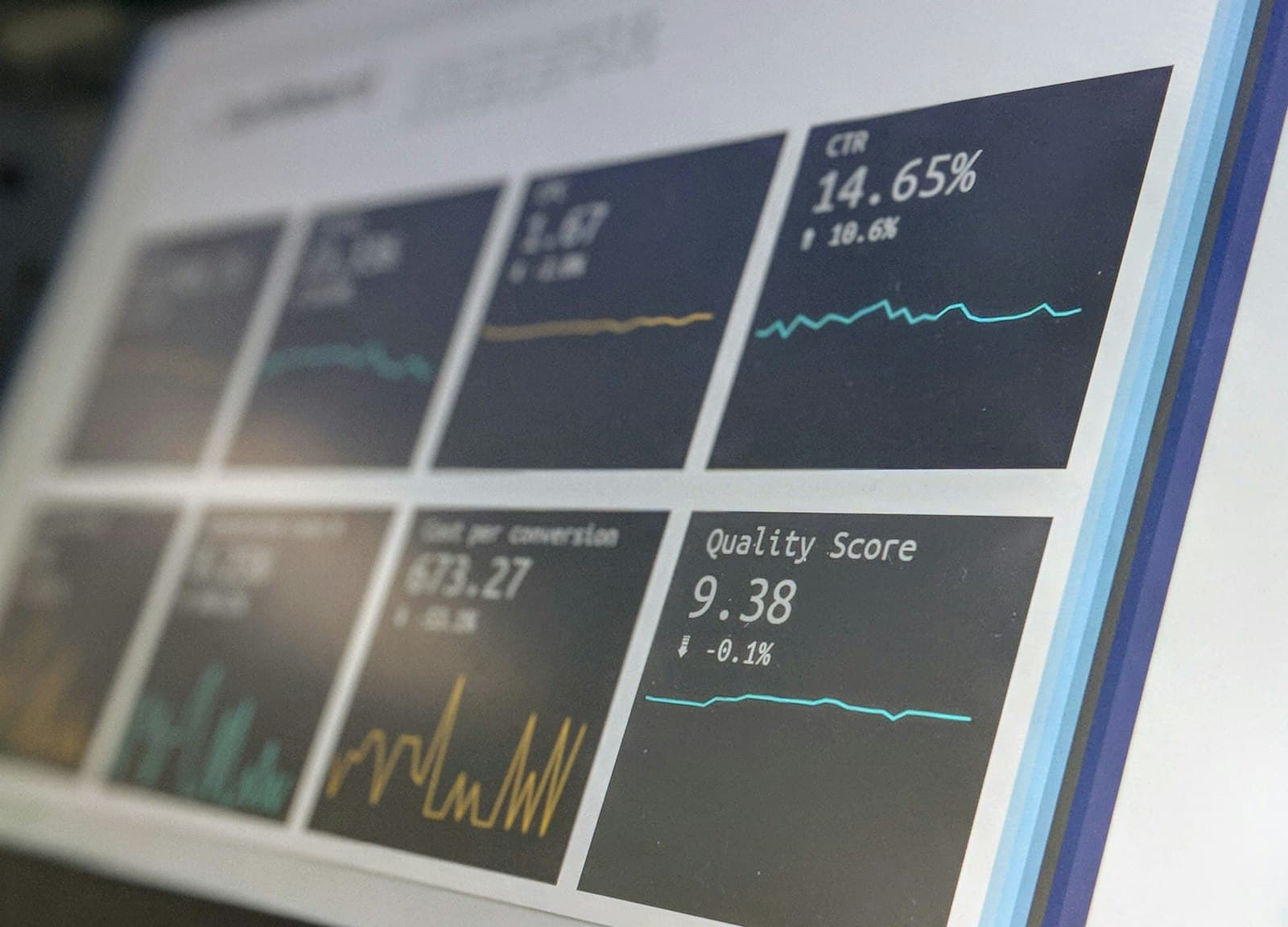
We ship with observability and a runbook already in place, then stay on call through the handover. The system is operable on day one and yours to run, not something you depend on us for.
Increasing velocity, reliability, and enterprise performance with senior-grade engineering.
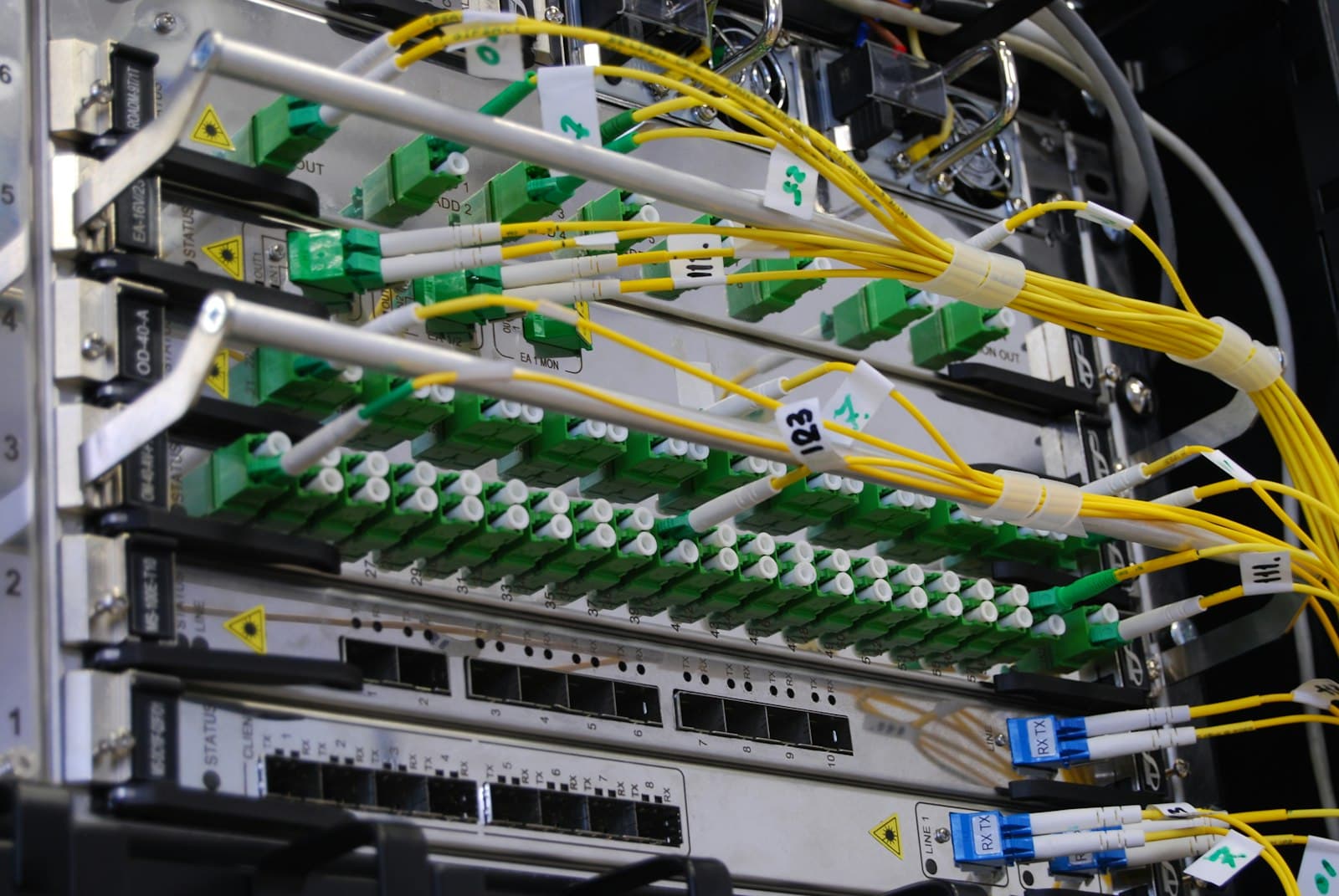
Cloud-native compute, declarative orchestration, and global edge routing engineered for zero-downtime scalability.

Type-safe, memory-efficient languages and low-latency runtimes selected for high concurrency, fast startup, and long-term maintainability.
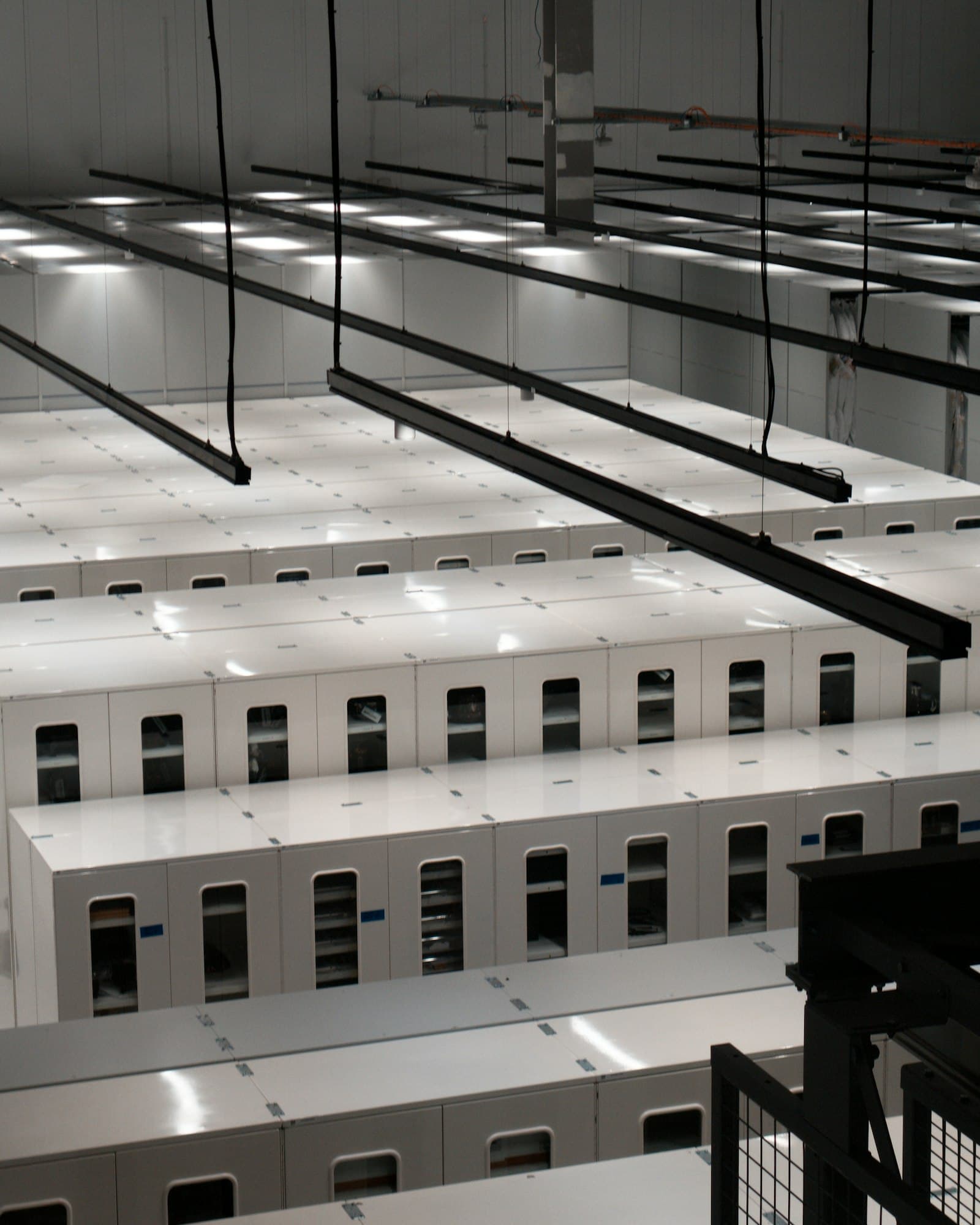
Relational, document, and distributed event streaming datastores tuned for strict ACID guarantees, high throughput, and replication.

Production-grade vector indexing, evaluation harnesses, and cognitive retrieval pipelines backing intelligent enterprise systems.
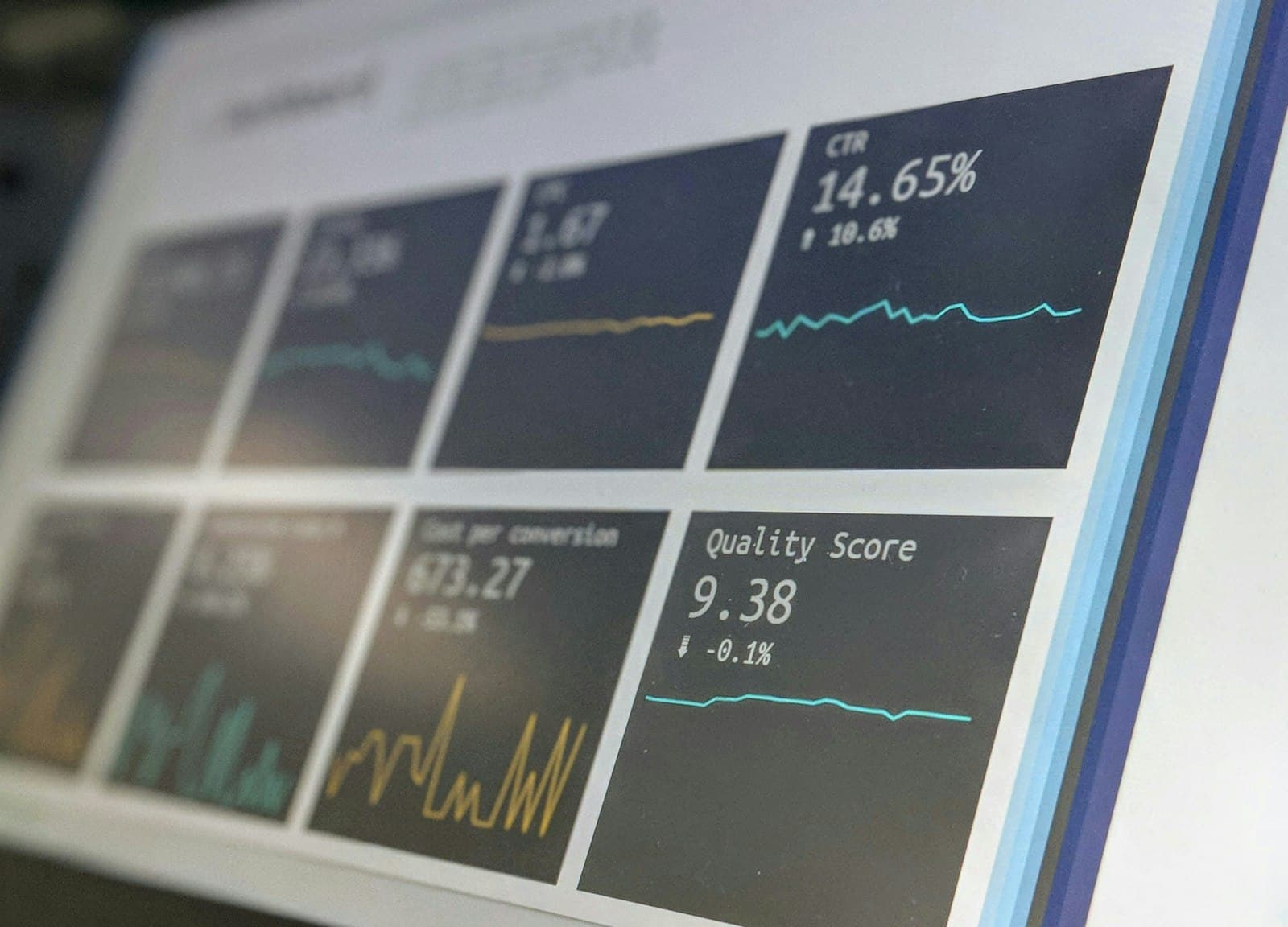
Automated CI/CD pipelines, end-to-end testing harnesses, and real-time observability telemetry guarding production releases.
Seven projects across web, backend, fullstack and mobile — the constraints they started from, and the platforms they run on now.

“They didn't just ship the feature — they questioned whether we needed it, and they were right twice.”
Priya Anand
Head of Product
2
Features cut pre-build — both were the right call

“Every release note read like it was written by someone who'd actually used the product.”
Marcus Webb
VP Engineering
0
Release notes anyone had to ask about

“We handed them a mess of legacy services and got back something we could finally explain to auditors.”
Elena Kovač
Director of Platform
12→1
Legacy services consolidated for audit

“No surprises in the invoices, no surprises in the sprint reviews. That consistency is rarer than it should be.”
Tomás Rivera
Finance Operations Lead
100%
Invoices matching the estimate, every cycle

“They caught a data model problem in week one that would have cost us a quarter later.”
Grace Lindqvist
CTO
1 wk
Time to catch a quarter-costing data flaw
“Onboarding took an afternoon, not a week. That alone paid for the engagement.”
Ben Okafor
Operations Manager
<1 day
Onboarding time, down from a week
“Our own engineers started asking to sit in on their reviews. That's the real compliment.”
Nadia Farouk
Engineering Manager
6
In-house engineers who joined the reviews
“They rebuilt the pipeline without a single day of downtime on the trading floor.”
Hugo Bergström
Head of Infrastructure
0
Minutes of trading-floor downtime
“Every estimate they gave us held. Every one.”
Claire Dupont
Program Director
100%
Estimates that held through delivery
“They pushed back on our timeline once, and it was the right call — we shipped cleaner because of it.”
Devon Marsh
Product Owner
1
Timeline pushback that shipped a cleaner release
“The handoff documentation was better than what our last three vendors delivered combined.”
Isabel Cruz
IT Director
3
Past vendors' handoffs it outperformed
“They treated our compliance requirements as a design constraint, not an afterthought.”
Samuel Ohene
Risk & Compliance Lead
0
Compliance findings at audit
“Six months in, the platform still runs the way they said it would.”
Yuki Tanaka
Director of Engineering
6 mo
In production to spec, no rebuild
“They found the bottleneck we'd been arguing about internally for a year — in the first week.”
Renata Silva
VP Product
1 wk
To resolve a year-long internal debate
“Support tickets dropped by half the month after launch, and stayed there.”
Owen Fitzgerald
Customer Success Lead
-50%
Support tickets, the month after launch
“They wrote code we could actually maintain after they left. That was the whole point.”
Aditi Rao
Engineering Director
0
Rewrites needed after handoff
“The migration plan they gave us was the first one that actually survived contact with production.”
Lars Eriksson
Platform Lead
1
Migration attempt needed, start to finish
You describe the constraint — scale, latency, deadline, team. We respond with an architecture sketch and an honest read on risk, not a slide deck.
Fixed-scope proposals, quoted once against a load-tested scope. No retainer, no hourly meter running in the background.
Yes — most engagements run embedded against your team's existing repos and rituals, not replacing them.
Most core builds run 8–16 weeks to a shippable platform, followed by a shorter operate-and-transfer phase.
Boundary contracts are fixed, not the scope inside them — a change is re-quoted against the same load-tested method, not absorbed silently or refused outright.
You do, from day one. Ownership transfer is part of delivery, not an add-on.
Technical briefingNot a sales desk


